I used to haul heavy bottled water for every backcountry trip, which quickly filled my backpack and added unnecessary weight. After a few hikes where I ran low on drinking water, I decided to test out a portable camping water filter straw for real-world camping and backpacking use. This review shares what I learned after weeks of testing, its strengths, drawbacks, and who this gear makes the most sense for.
First Impressions & Build Quality
This portable filter straw is slim, lightweight, and easy to slip into a backpack side pocket or small gear pouch. The outer shell uses tough food-grade plastic that feels sturdy without being bulky. The filter membrane sits inside the straw, and both ends have removable caps to keep the filter clean when not in use.
It weighs only 57 grams, so I barely felt it added to my pack load. Unlike larger pump water filters, there are no hoses, pumps, or extra parts to carry around. The mouthpiece is soft silicone, comfortable to sip from, and it has a simple one-way flow design to stop dirty water from leaking back out. I pair this filter straw with my ultralight foldable camping seat cushion for day hikes, keeping my pack lightweight and simple.
Field Test & Real Camping Use
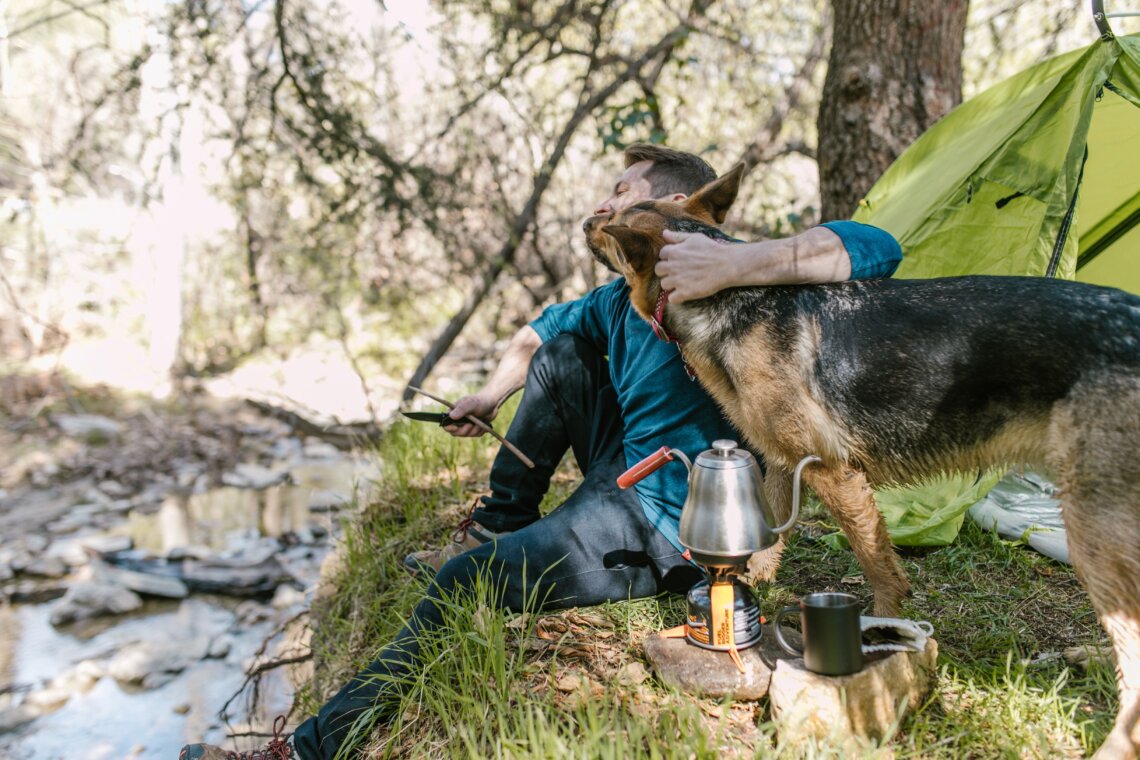
I brought this filter straw out on three separate trips: overnight backpacking in forest trails, car camping near a small creek, and a day hike with limited water supplies. I tested it with stream water that had small sediment and floating debris, just like what most casual campers encounter.
When I dipped the bottom end directly into the creek, I just sucked gently to pull water through the filter. It did not require hard sucking to get water flowing. The filtered water tasted clean, without the earthy muddy flavour I expected from natural stream water. The 0.2 micron filter removes most bacteria, parasites and sediment from freshwater sources.
I also tried attaching it to a regular disposable water bottle, and it worked well for squeezing water through. That made it handy when I did not want to lean down over the water source.
The Main Limitations I Noticed
This straw only works with freshwater sources. It cannot filter saltwater or heavily chemically polluted water. It also struggles with water that has lots of heavy mud or thick sediment; the filter can clog faster if the water is very murky. You need to pre-filter muddy water with a cloth before using the straw in those conditions.
Maintenance After Use
After each trip, I backflush the filter with clean water to flush out trapped sediment. Letting it fully air dry before packing away helps extend the filter lifespan. If you leave it wet and sealed for days, mould can grow inside the membrane.
Pros & Cons
Pros
- Ultra-light and compact, easy to store inside small backpacks
- Simple operation, no batteries, pumps or extra tools needed
- Works directly from streams, lakes and freshwater puddles
- Low maintenance, only needs simple backflushing after use
- Affordable for casual campers and day hikers
Cons
- Not suitable for saltwater or heavily contaminated water
- Muddy sediment can clog the filter quickly
- Drinking flow rate is slower than gravity water filter systems
- Filter has a set lifespan and needs replacement after thousands of litres
Buying Guide: How To Pick A Camping Water Filter Straw
Weight & Size
If you do backpacking, prioritize models under 70 grams. For car camping, weight matters less and you can choose larger filter systems.
Filtration Rating
Look for filters rated to 0.2 microns or smaller. This size blocks most common waterborne parasites and bacteria.
Filter Lifespan
Check the stated litre capacity. Longer life filters cost more upfront but save money for frequent campers.
Ease Of Cleaning
Choose designs that allow backflushing. This simple feature keeps the filter working longer out in the field.
Frequently Asked Questions
Can I drink directly from a river using this filter straw?
Yes, for clean freshwater rivers and streams. It removes most bacteria and parasites, but it will not remove heavy metals or chemical contaminants.
How long will this camping filter straw last?
Most standard filter straws can filter around 4,000 litres of freshwater, depending on how dirty the source water is. Heavy sediment will shorten its usable life.
Is a filter straw better than filter pump systems?
Filter straws win for lightweight backpacking and emergency use. Pump filters are faster for groups or when you need to fill multiple water bottles quickly.
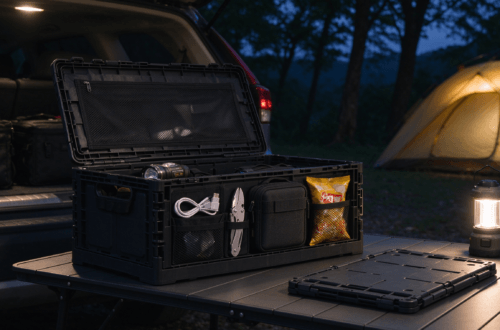
I keep this water filter straw inside my collapsible camping storage box together with my other small camping accessories when car camping.
Final Verdict
For solo hikers, day trippers and casual campers who want a lightweight backup water solution, this portable camping water filter straw is a solid pick. It does not replace larger gravity filters for group camping trips, but it is perfect for anyone trying to cut down on pack weight and skip carrying dozens of plastic water bottles.